
Philodendrons are popular houseplants known for their lush foliage and easy maintenance. These tropical plants thrive indoors, making them a favorite among plant enthusiasts. Whether you’re a beginner or an experienced gardener, understanding philodendron care indoor is essential to keep your plants healthy and vibrant. Philodendrons are mentioned as one of the best low maintenance indoor plants at Easy Care Houseplants: Bringing Greenery into Your Home with Ease.
Here’s everything you need to know about philodendron indoor plant care.
- Choosing the Right Philodendron
- Toxicity of Philodendron
- Light Requirements
- Watering Your Philodendron
- Humidity and Temperature
- Philodendron Care Indoor: Soil and Fertilizing
- Pruning and Maintenance
- Repotting Your Philodendron
- Philodendron Care Indoor: Dealing with Pests and Diseases
- Special Care for Selloum Philodendron (Thaumatophyllum bipinnatifidum)
- Philodendron Care Indoor: Conclusion
Choosing the Right Philodendron
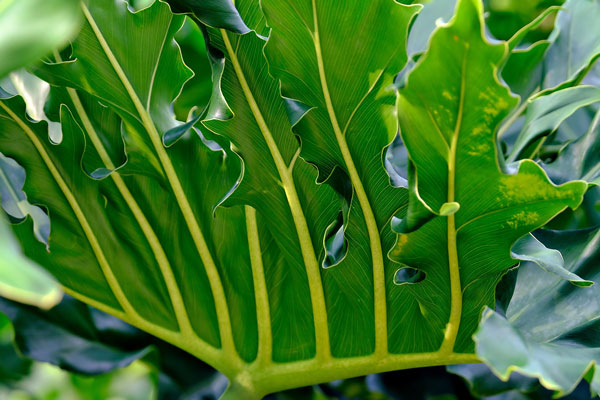
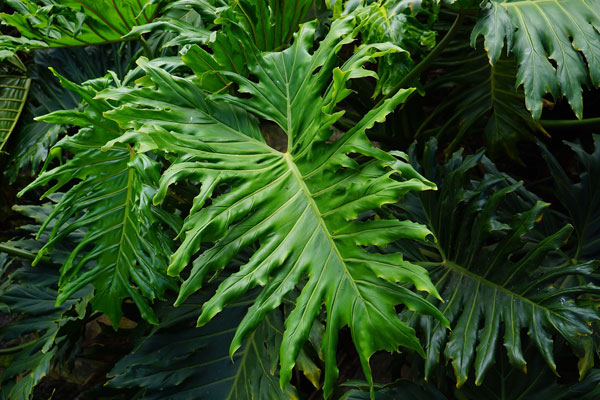
There are many varieties of philodendrons, each with its unique characteristics. Some popular types include the heartleaf philodendron (Philodendron brasil) and the selloum philodendron (Philodendron bipinnatifidum). When selecting a plant, consider the space you have available and the specific needs of the variety you choose. Selloum philodendron care, for instance, might require more attention to humidity and space due to its larger size.
Toxicity of Philodendron
Philodendron houseplants contain oxalate crystals, which are toxic if ingested by humans or pets. Symptoms may include oral irritation, drooling, vomiting, and difficulty swallowing. It’s essential to keep philodendrons out of reach of children and pets. If ingestion occurs, seek medical attention immediately.
Light Requirements
One of the key aspects of philodendron indoor care is providing the right amount of light. Philodendrons thrive in bright, indirect light. Direct sunlight can scorch their leaves, so it’s best to place them near a window where they receive filtered light. If your space lacks natural light, philodendrons can adapt to low light conditions, but their growth might slow down.
Direct sunlight can scorch their leaves, so it’s best to place them near a window where they receive filtered light.
Watering Your Philodendron
Proper watering is crucial for the care of philodendron plants. These plants prefer evenly moist soil but are sensitive to overwatering, which can lead to root rot. Allow the top inch of soil to dry out between waterings. During the growing season (spring and summer), you might need to water more frequently. In the dormant period (fall and winter), reduce watering as the plant’s growth slows down.
Humidity and Temperature
Philodendrons are tropical plants, so they thrive in warm, humid environments. For optimal philodendron care indoor, maintain a temperature range between 65-80°F (18-27°C). Humidity levels of 60% or higher are ideal. If your indoor air is dry, especially in winter, consider using a humidifier or placing a tray of water near the plant to increase humidity.
Philodendron Care Indoor: Soil and Fertilizing
For growing philodendron indoors, use a well-draining potting mix. A blend of peat, perlite, and vermiculite works well. Fertilize your philodendron every 4-6 weeks during the growing season with a balanced, water-soluble fertilizer. This helps provide essential nutrients for healthy growth. Avoid over-fertilizing, as it can lead to salt buildup in the soil.
Pruning and Maintenance
Regular pruning is an essential part of philodendron indoor plant care. Prune to remove any yellowing or dead leaves, which helps maintain the plant’s appearance and health. Pruning also encourages bushier growth and prevents the plant from becoming too leggy. Use clean, sharp scissors or pruning shears to make clean cuts just above a leaf node.
Repotting Your Philodendron
As philodendrons grow, they may outgrow their pots. Repotting every 1-2 years is advisable to provide them with fresh soil and more space. Choose a pot that is one size larger than the current one and ensure it has good drainage. Repotting in the spring is ideal, as it coincides with the plant’s active growth phase.
Philodendron Care Indoor: Dealing with Pests and Diseases
Philodendrons are generally resistant to pests, but they can occasionally attract insects like spider mites, aphids, and mealybugs. Regularly inspect your plant for any signs of pests and treat infestations promptly with insecticidal soap or neem oil. Maintaining proper humidity and avoiding overwatering can also help prevent common diseases like root rot and fungal infections.
Special Care for Selloum Philodendron (Thaumatophyllum bipinnatifidum)
Selloum philodendron care involves a bit more attention due to its larger size and specific needs. This variety enjoys more humidity and space to spread out. Ensure it receives bright, indirect light and maintain a consistent watering schedule to keep the soil evenly moist. Pruning is crucial to manage its size and keep it healthy.
Selloum Philodendron, previously known as Philodendron bipinnatifidum, has been reclassified and is no longer in the genus Philodendron. It is now classified as Thaumatophyllum bipinnatifidum in the genus Thaumatophyllum, based on recent botanical research.
Philodendron Care Indoor: Conclusion
Philodendron care indoor can be simple and rewarding with the right knowledge and attention. By understanding the light, watering, and humidity needs of your philodendron indoor plants, you can ensure they thrive and enhance the beauty of your home. Whether you’re caring for a small heartleaf philodendron or a large selloum philodendron, following these guidelines will help your plants flourish and bring a touch of the tropics indoors.