
Ivy plants are a popular choice for indoor and outdoor gardening due to their attractive, trailing vines and ease of care. Whether you’re a seasoned gardener or a novice, understanding how to care for ivy plant can help you keep your plants thriving. This guide will cover the essentials for caring for various types of ivy, including devil’s ivy, English ivy, and Swedish ivy, with a particular focus on growing ivy indoors.
- Understanding Ivy Plant Varieties
- General Care for Ivy Plant
- Devil’s Ivy Care (Epipremnum aureum)
- English Ivy Care (Hedera helix)
- Care for Swedish Ivy (Plectranthus verticillatus)
- Care for Ivy Plant: Growing Ivy Indoors
- Care for Ivy Plant: Troubleshooting Common Issues
Understanding Ivy Plant Varieties
Ivy plants come in several varieties, each with its unique characteristics and care requirements. Some of the most common types include:
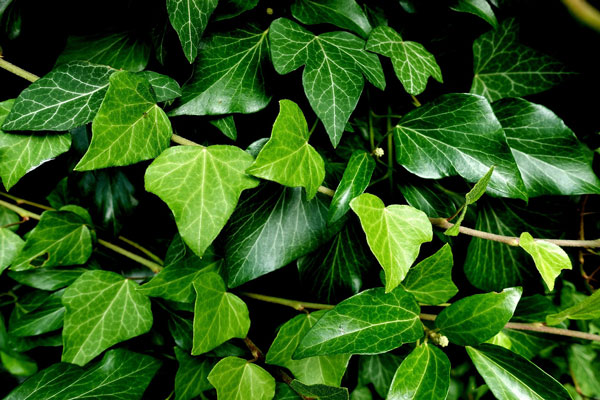
- English Ivy (Hedera helix): Known for its dark green, lobed leaves, and vigorous growth.
- Devil’s Ivy (Epipremnum aureum): Also called golden pothos, this ivy is famous for its heart-shaped leaves and adaptability to various light conditions.
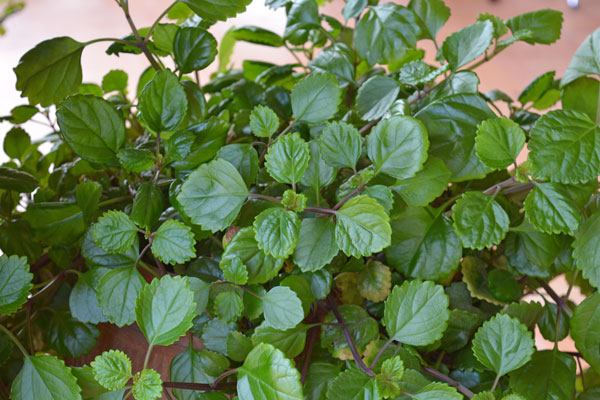
- Swedish Ivy (Plectranthus verticillatus): Recognized by its glossy, scalloped leaves and trailing habit.
Toxicity
English ivy (Hedera helix) and devil’s ivy (Epipremnum aureum) are toxic if ingested, causing gastrointestinal issues, vomiting, and oral irritation. Keep them out of reach of children and pets.
General Care for Ivy Plant
Regardless of the type, some general principles apply to caring for ivy plants. Here are the basics:
Light Requirements
Ivy plants generally prefer bright, indirect light. While some varieties like devil’s ivy can tolerate lower light conditions, others, such as English ivy, thrive best with plenty of filtered sunlight. Direct sunlight should be avoided as it can scorch the leaves.
Watering
Proper watering is crucial for healthy ivy plant care. Most ivy varieties prefer their soil to be kept consistently moist but not waterlogged. Overwatering can lead to root rot, while underwatering can cause the leaves to dry out and fall off. A good practice is to water your ivy when the top inch of soil feels dry to the touch.
Humidity
Ivy plants appreciate higher humidity levels. This is especially true for indoor ivy plant care, where dry indoor air can be an issue. Regular misting or placing a humidifier nearby can help maintain adequate humidity levels.
Devil’s Ivy Care (Epipremnum aureum)
Devil’s ivy (Epipremnum aureum) or golden pothos, is one of the easiest ivies to care for, making it a favorite among houseplant enthusiasts. Pothos is mentioned as one of the best low maintenance indoor plants in Easy Care Houseplants: Bringing Greenery into Your Home with Ease.
Light and Temperature
Devil’s ivy thrives in bright, indirect light but can also adapt to low light conditions. It prefers temperatures between 60-85°F (15-29°C) and does not tolerate cold drafts well.
Watering and Fertilizing
Water your devil’s ivy when the top inch of soil is dry. During the growing season, feed it with a balanced liquid fertilizer every 4-6 weeks to promote lush growth.
English Ivy Care (Hedera helix)
English ivy (Hedera helix) is a classic choice for both indoor and outdoor settings, known for its elegant, trailing foliage.
Light, Soil and Temperature
English ivy prefers bright, indirect light but can tolerate some shade. It grows well in well-draining, slightly acidic soil and temperatures between 50°F to 70°F (10°C to 21°C).
Pruning and Maintenance
Regular pruning helps maintain the shape and size of your English ivy. Trim back any leggy or overgrown stems to encourage bushier growth. English ivy can be susceptible to pests like spider mites, so inspect the plant regularly and treat any infestations promptly.
Care for Swedish Ivy (Plectranthus verticillatus)
Swedish ivy (Plectranthus verticillatus) is known for its glossy leaves and trailing stems, making it a lovely addition to hanging baskets and shelves.
Light and Water
Swedish ivy thrives in bright, indirect light but can tolerate low light conditions. Keep the soil evenly moist, and avoid letting it dry out completely.
Temperature and Fertilization
Swedish ivy prefers temperatures between 60-75°F (15-24°C). Feed it with a balanced, water-soluble fertilizer every month during the growing season for optimal growth.
Indoor ivy plants often need support structures like trellises or moss poles to climb. You can also let them trail over the edges of pots for a cascading effect.
Care for Ivy Plant: Growing Ivy Indoors
Indoor ivy plant care requires some attention to detail to ensure your plants remain healthy and vibrant.
Container and Soil
Choose a container with drainage holes to prevent waterlogging. Use a well-draining potting mix designed for houseplants.
Training and Support
Indoor ivy plants often need support structures like trellises or moss poles to climb. You can also let them trail over the edges of pots for a cascading effect.
Care for Ivy Plant: Troubleshooting Common Issues
- Yellow Leaves: Often a sign of overwatering or poor drainage.
- Browning Edges: Typically caused by low humidity or underwatering.
- Pests: Common pests include spider mites, aphids, and mealybugs. Use insecticidal soap or neem oil to manage infestations.
By understanding the specific needs of your ivy plants and providing appropriate care, you can enjoy the lush, trailing beauty of these versatile plants both indoors and out. Whether you’re focusing on Devil’s ivy care, English ivy care, or care for Swedish ivy, the key is to tailor your approach to meet the unique requirements of each variety.